
Distracted Driving in the Digital Age: Are We Losing Focus?
Nidhi Gupta, MD
Driving today is no longer just about the road.
It is also about phones, notifications, and constant digital interruptions. You get into your car, start the engine, and within seconds your phone lights up. You think, “Just one quick check.”
But that one second can change everything.
This is distracted driving. And what is most concerning is not just how dangerous it is, but how normal it has become.
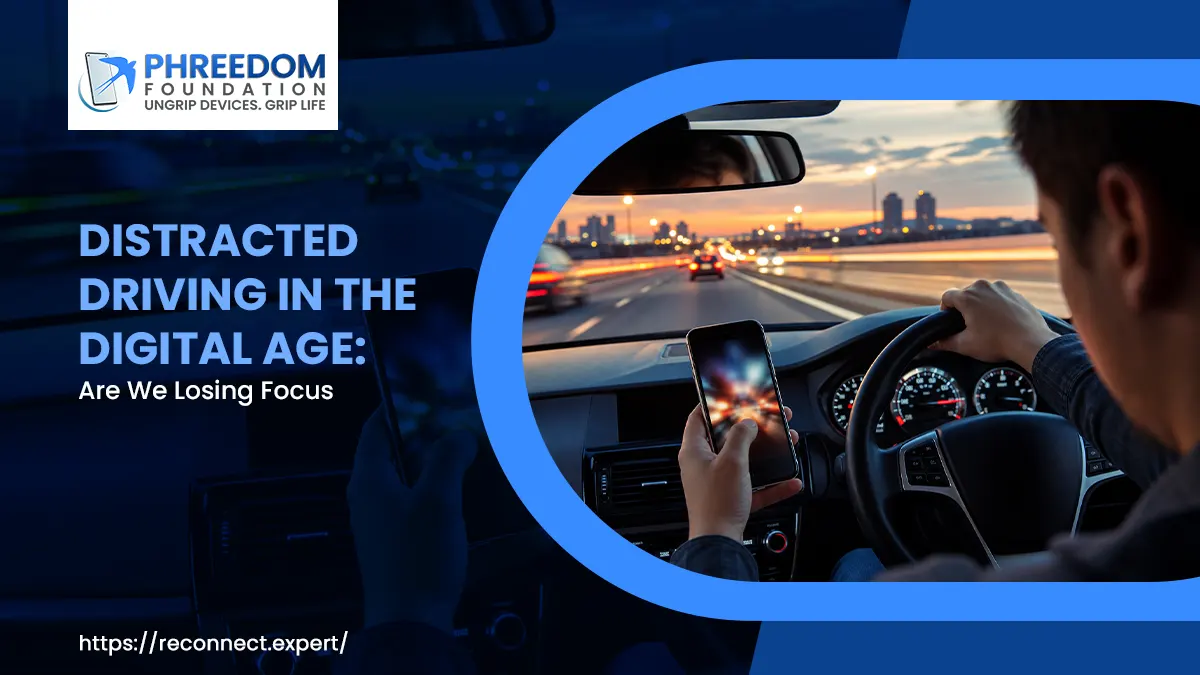
What Is Distracted Driving?
Distracted driving means your full attention is not on the road.
Your eyes, your hands, or your mind are focused on something else.
It is not just about phones. It can include:
- Looking at your phone
- Talking to passengers
- Adjusting music or navigation
- Eating while driving
- Thinking about something stressful
Driving requires full attention. Even a small distraction can lead to a serious mistake.
Why Is Distracted Driving Increasing?
We are living in a world of constant connection.
Notifications do not stop just because we are driving. Messages, calls, and alerts continue, and the habit of checking them follows us into the car.
Many people believe they can handle both. They think one quick message or glance is harmless.
But the brain does not multitask well. It switches between tasks, and every switch reduces focus.
Technology also plays a role. Apps are designed to capture attention. Bright screens, sounds, and alerts make it difficult to ignore them. Even modern car dashboards can add to the distraction.
What Happens When You Lose Focus?
When your attention leaves the road, your reaction slows down.
And on the road, seconds matter.
A car in front of you may stop suddenly.
A pedestrian may step into the street.
A signal may change.
If you are distracted at that moment, you lose the time needed to respond.
Even a few seconds of distraction can move your car forward a significant distance without control. That is often enough to cause an accident.
Types of Driving Distractions
Distractions usually fall into three categories:
- Visual – Your eyes are not on the road
- Manual – Your hands are not on the wheel
- Cognitive – Your mind is not focused on driving
The most dangerous situation is when all three happen together.
For example, texting while driving means your eyes, hands, and mind are all distracted at the same time.
Why Do People Still Do It?
Even knowing the risks, people continue distracted driving.
One reason is overconfidence. Many believe it will not happen to them.
Another reason is habit. We are used to checking our phones constantly, often without thinking.
There is also pressure. People feel they need to respond immediately to messages or calls.
And sometimes, it is simply boredom during long drives. But accidents do not give warnings. They happen suddenly.
Simple Ways to Stay Focused on the Road
Avoiding distracted driving does not require major changes. Small habits can make a big difference.
- Put your phone on silent or use driving mode before starting
- Set your GPS before you begin driving
- Let others know you will respond later
- Keep your focus on the road at all times
- If something feels urgent, pull over safely before checking your phone
These are simple steps. But they can save lives.
The Role of Awareness
Awareness is key.
Many people still underestimate how dangerous distracted driving can be. When people understand the real risks, behavior begins to change.
At Phreedom Foundation, we focus on helping people recognize how everyday digital habits impact safety, focus, and well-being. This includes not just workplace distraction, but real-world risks like driving.
Small shifts in awareness can lead to meaningful change.
Are We Losing Focus as Drivers?
If we are honest, yes.
Driving is no longer the only thing we do on the road. Our attention is divided.
At the same time, roads are busier, traffic is heavier, and conditions change quickly.
In this environment, even a small distraction can have serious consequences.
With awareness and better habits, we can reclaim our focus.
Final Thought
Distracted driving is becoming one of the most serious safety challenges of our time.
It feels normal. But it is not safe.
We all want to stay connected. But when we are on the road, safety must come first.
The next time you drive, put your phone aside.
Focus on the road.
That one decision can make all the difference.
Because getting there safely will always matter more than responding quickly.
Ungrip devices. Grip life.